The 2026 Toyota RAV4 Hybrid stands as a benchmark in Toyota’s global SUV lineup — a blend of refinement, performance, and world-leading hybrid efficiency. Designed on Toyota’s TNGA-K platform, it carries the same proven powertrain architecture found in models like the Camry Hybrid and Innova Hycross, but in a more dynamic SUV package.
Let’s take a closer look at how this hybrid system works, its performance credentials, and how it fares against key rivals like the Hyundai Tucson Hybrid and Innova Hycross Hybrid in real-world conditions.
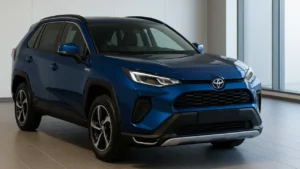
1. Overview of the RAV4 Hybrid Powertrain
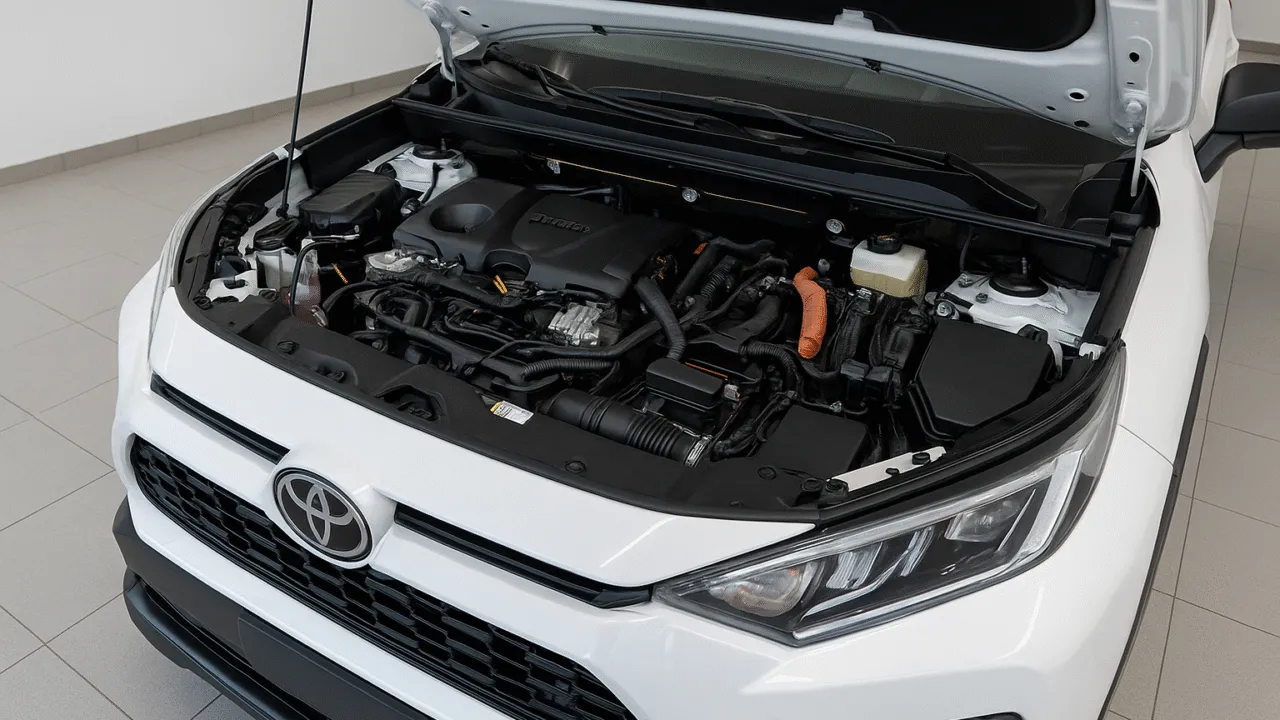
The RAV4 Hybrid 2026 uses Toyota’s A25A-FXS 2.5-litre Atkinson-cycle petrol engine, paired with a high-efficiency permanent magnet synchronous electric motor. Together, they form a seamless hybrid unit that delivers strong low-end torque, quiet operation, and unmatched efficiency for its class.
Hybrid Powertrain Breakdown
| Specification | Details |
|---|---|
| Engine Type | 2.5-litre, 4-cylinder Atkinson-cycle petrol |
| Electric Motor Type | Permanent Magnet Synchronous Motor |
| Combined Output | 226 hp (FWD) / 236 hp (AWD) |
| Transmission | e-CVT (Electronically Controlled CVT) |
| Battery Type | Nickel-Metal Hydride (NiMH) |
| Battery Capacity | 1.6 kWh (Hybrid), 18.1 kWh (PHEV) |
| Drive System | Front-Wheel Drive / All-Wheel Drive |
| Drivetrain Layout | Toyota Hybrid System (THS II) |
The RAV4’s hybrid system automatically switches between petrol and electric drive — or blends both — depending on throttle input and driving conditions. The e-CVT transmission ensures near-silent transitions between modes, giving the SUV its refined hybrid character.
2. Performance & Acceleration
Unlike turbo-petrol SUVs that focus on outright speed, the RAV4 Hybrid emphasizes instant torque and linear power delivery. The electric motor assists the engine from the moment you press the accelerator, providing quick response and effortless city driving.
Performance Figures
| Parameter | Hybrid FWD | Hybrid AWD | Plug-in Hybrid (PHEV) |
|---|---|---|---|
| Combined Power | 226 hp | 236 hp | 320 hp |
| Torque (Combined) | 220 Nm (Engine) + 270 Nm (Motor) | 420 Nm combined | 500+ Nm (est.) |
| 0–100 km/h | 7.4 seconds | 7.1 seconds | 6.0 seconds |
| Top Speed | 185 km/h | 185 km/h | 200 km/h |
The AWD model employs a rear electric motor to power the rear wheels when needed, enhancing grip on slippery roads and boosting acceleration.
Toyota calls this system “e-AWD” (Electronic All-Wheel Drive) — it’s lighter than mechanical 4WD setups but just as effective for traction and stability.
3. e-AWD & Drive Dynamics
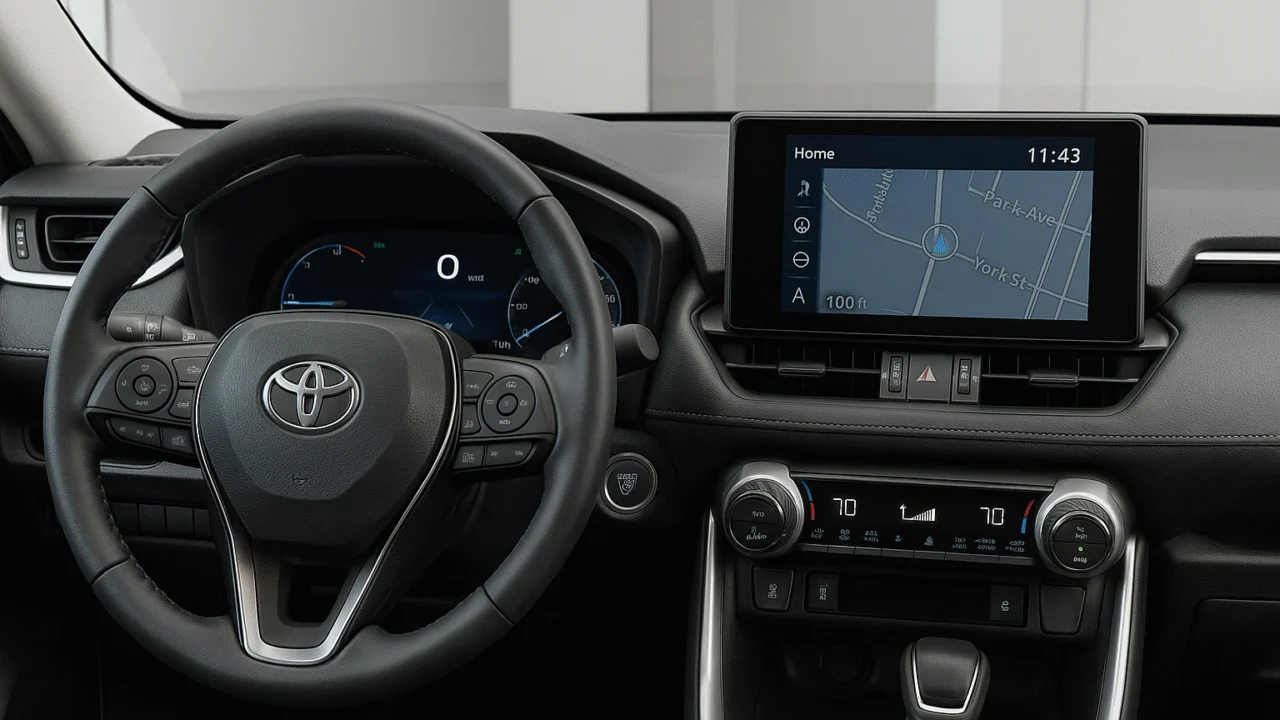
The 2026 RAV4 Hybrid’s electronic AWD system continuously monitors wheel slip and redistributes power between the front and rear axles.
| Feature | Function |
|---|---|
| Torque Split | 100:0 (Front) to 20:80 (Rear) |
| Trail Mode | Improves off-road traction on gravel and mud |
| Hill Assist Control | Prevents rollback on steep slopes |
| Drive Modes | Eco, Normal, Sport, Trail |
| Suspension Type | MacPherson Strut (Front), Multi-Link (Rear) |
Despite being a hybrid SUV, the RAV4 maintains excellent ride composure and cornering confidence. The TNGA-K platform lowers the center of gravity, improving balance, while the multi-link rear setup offers a plush yet controlled ride even at higher speeds.
4. Fuel Efficiency & Real-World Mileage
Fuel economy is where the RAV4 Hybrid shines. Toyota’s hybrid system can run on pure electric mode at low speeds, use the engine as a generator while cruising, or blend both systems under load — all automatically.
Claimed vs Real-World Efficiency
| Drive Type | Claimed Mileage (km/l) | Real-World City (km/l) | Real-World Highway (km/l) |
|---|---|---|---|
| Hybrid FWD | 27.5 km/l | 24–25 km/l | 26–27 km/l |
| Hybrid AWD | 26.5 km/l | 23–24 km/l | 25–26 km/l |
| Plug-in Hybrid (PHEV) | 65+ km/l (Combined Equivalent) | 60+ km/l (Hybrid + EV) | 65+ km/l (Est.) |
For reference, the PHEV variant can travel 70–75 km on pure electric power before the petrol engine engages — ideal for city commutes with minimal fuel consumption.
5. Hybrid Technology in Action
Toyota’s Hybrid Synergy Drive (HSD) system is a benchmark for efficiency. It features:
- Regenerative Braking: Converts kinetic energy into electric charge, stored in the hybrid battery.
- EV Mode: Operates purely on electric power at low speeds.
- Engine Start/Stop: Automatically shuts the engine at signals or low-speed traffic.
- Smart Power Split Device: Seamlessly manages torque between the engine and motor for maximum efficiency.
This technology is self-contained — it does not need external charging, unlike plug-in hybrids or EVs.
6. Engine Refinement & NVH (Noise, Vibration, Harshness)
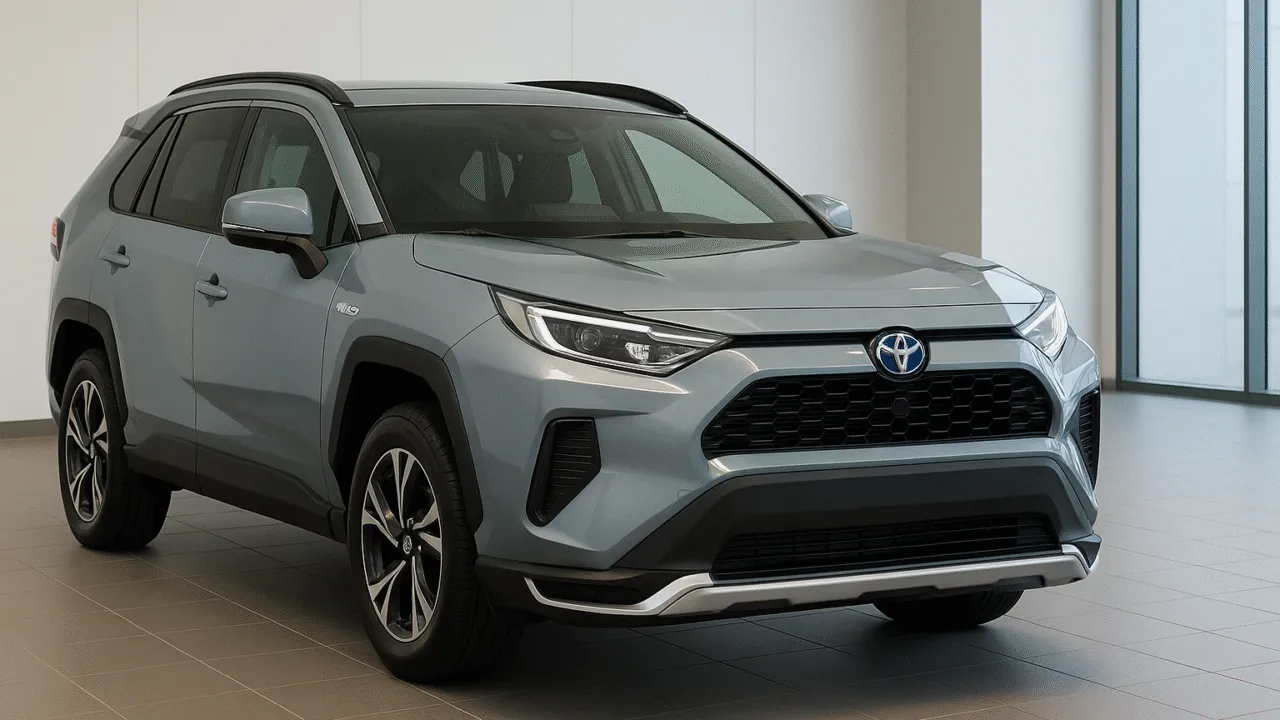
The Atkinson-cycle engine is optimized for quiet operation and thermal efficiency. Toyota has insulated the engine bay and cabin extensively, minimizing vibrations even during hybrid transitions.
| NVH Parameter | Improvement Over Previous Gen |
|---|---|
| Engine Noise | -20% (quieter combustion phase) |
| Cabin Insulation | +15% denser soundproofing |
| EV Mode Transitions | Near-instant (0.5 sec lag) |
| Idle Smoothness | Comparable to luxury hybrids |
At city speeds, the RAV4 Hybrid is often nearly silent, running in EV mode for up to 60% of the time.
7. Comparison — Toyota RAV4 Hybrid vs Key Rivals
| Model | Engine | Power (hp) | Torque (Nm) | Mileage (km/l) | Drivetrain |
|---|---|---|---|---|---|
| Toyota RAV4 Hybrid | 2.5L Petrol + Electric | 226–236 | 420 | 25–28 | FWD / AWD |
| Toyota Innova Hycross Hybrid | 2.0L Petrol + Electric | 184 | 188 | 23–24 | FWD |
| Hyundai Tucson Hybrid | 2.0L Petrol + Electric | 187 | 350 | 20–22 | FWD / AWD |
| Honda CR-V Hybrid (Upcoming) | 2.0L Petrol + Electric | 204 | 315 | 23–25 | AWD |
| Jeep Compass Diesel | 2.0L Diesel | 170 | 350 | 16–18 | AWD |
In comparison, the RAV4 Hybrid offers superior efficiency and torque while maintaining balanced performance and refinement.
8. Long-Term Efficiency & Maintenance
Hybrid vehicles tend to offer lower long-term operating costs due to reduced engine wear and fewer moving parts.
| Ownership Factor | Estimate / Detail |
|---|---|
| Annual Service Cost | ₹9,000–₹11,000 |
| Battery Warranty | 8 years / 160,000 km |
| Hybrid Battery Replacement Cost | ₹1.2–1.5 lakh (after warranty) |
| Expected Battery Life | 10–12 years (normal use) |
| Fuel Savings (vs petrol SUV) | ₹1.5–2 lakh over 5 years |
Toyota’s hybrid system has proven durability across millions of units globally, with minimal degradation even after years of use.
9. Driving Experience Summary
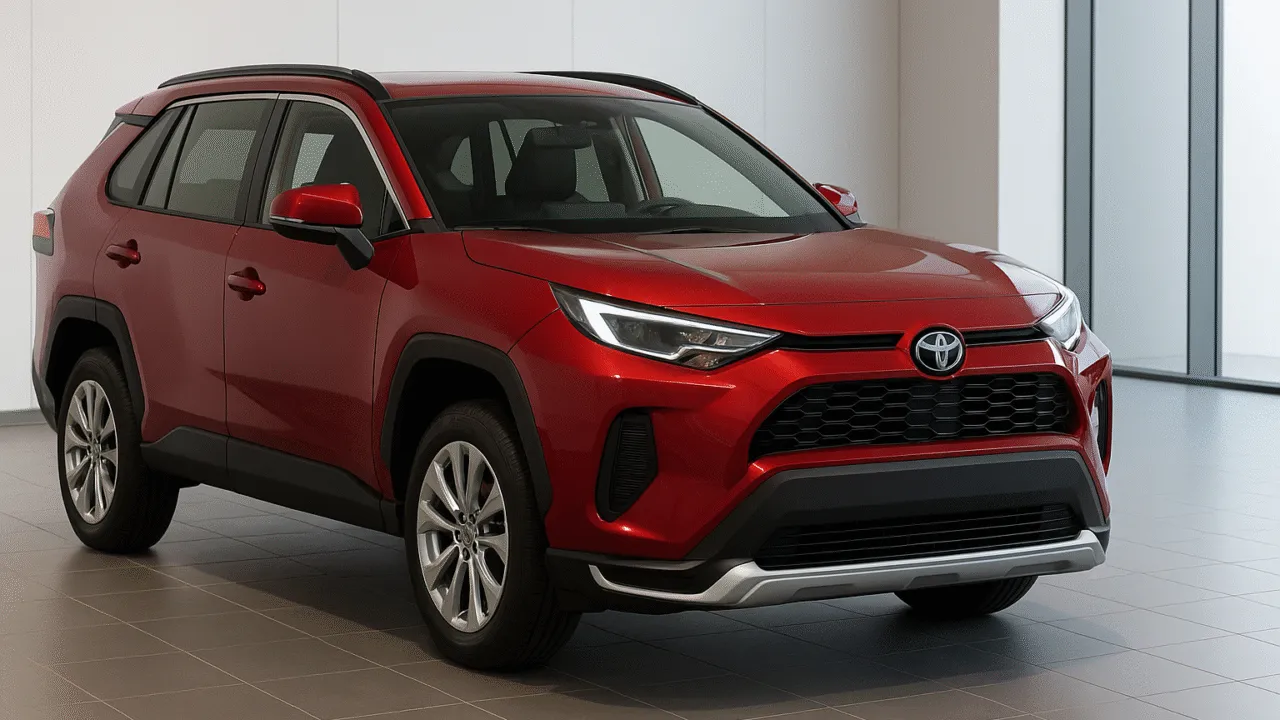
The RAV4 Hybrid 2026 balances efficiency with power delivery, offering smooth performance with a commanding driving feel.
Key Driving Traits:
- Instant torque from the electric motor makes it feel punchy at low speeds.
- The e-CVT keeps revs balanced — no jerks or gear hunting.
- Highway cruising is effortless; the hybrid system supports overtakes seamlessly.
- The regenerative braking feels natural, blending well with hydraulic brakes.
Overall, it offers the comfort of a petrol SUV with the fuel efficiency of a diesel — minus the noise and emissions.
10. Verdict — Efficiency Meets Everyday Performance
The 2026 Toyota RAV4 Hybrid proves that eco-friendly driving doesn’t have to mean compromise.
It’s responsive, refined, and incredibly efficient — making it ideal for Indian buyers seeking a premium SUV that’s practical, powerful, and future-ready.
If launched under ₹40 lakh, the RAV4 Hybrid could redefine hybrid SUV performance standards, appealing to both city commuters and highway travelers looking for a mix of power, efficiency, and Toyota reliability.
FAQs — Toyota RAV4 Hybrid 2026 Engine & Performance
1. What engine does the 2026 Toyota RAV4 Hybrid use?
It uses a 2.5-litre 4-cylinder petrol engine paired with an electric motor under Toyota’s Hybrid Synergy Drive system.
2. What is the total power output of the RAV4 Hybrid?
The system produces 226 hp (FWD) and 236 hp (AWD) combined.
3. Is there a plug-in hybrid version of the RAV4?
Yes. The PHEV version makes up to 320 hp and offers around 70 km of electric-only range.
4. What mileage can we expect in India?
The RAV4 Hybrid is expected to deliver 25–28 km/l in real-world mixed driving conditions.
5. Is the hybrid system self-charging or plug-in?
The standard hybrid is self-charging. Only the PHEV variant requires external charging.