

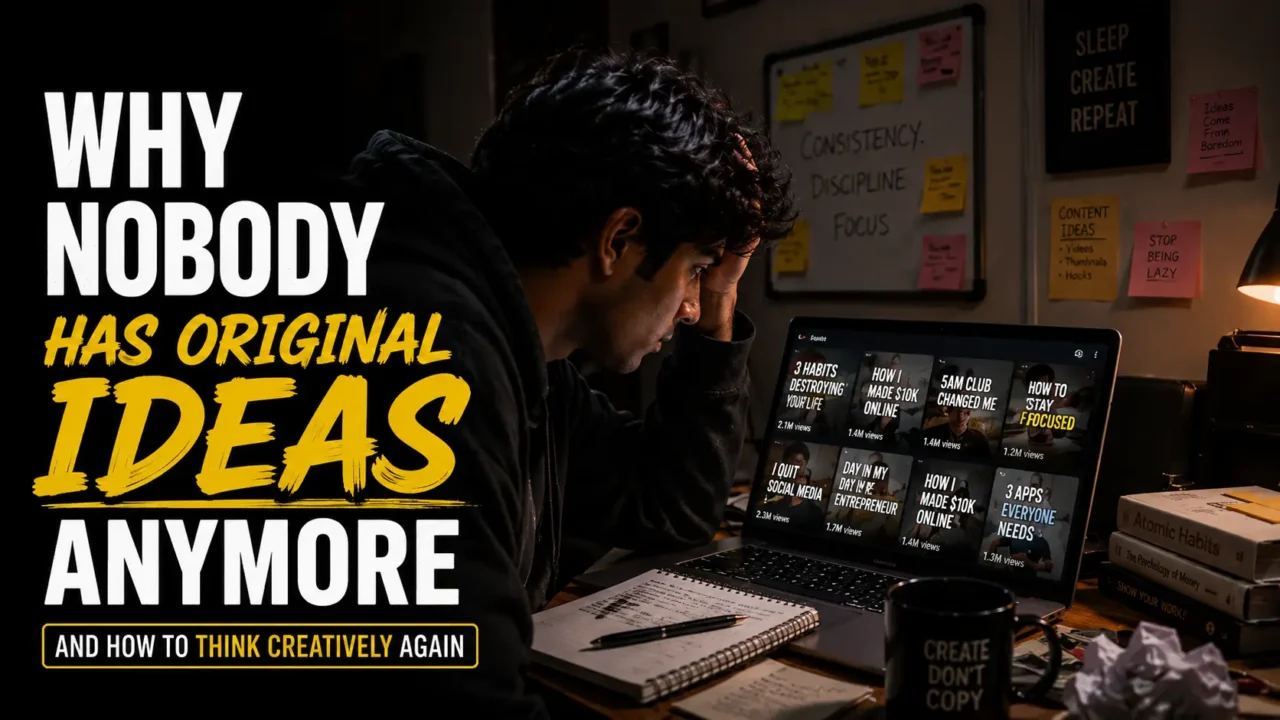
Most people today feel creatively stuck.
Whether it’s content creation, business ideas, writing, design, or even daily thinking, many people feel like everything already exists online. Every time someone gets an idea, they quickly realize:
“Someone has already done this before.”
At the same time, social media is filled with repeated trends, similar content styles, recycled opinions, and copied formats. This creates the feeling that originality is slowly disappearing from the internet.
But the real problem is not that humans became less creative.
The bigger issue is that modern internet culture changed how people think, consume information, and develop ideas. Constant scrolling, overstimulation, and trend-based content leave very little space for independent thinking.
In this post, we’ll understand why originality feels harder today, how social media affects creativity, and most importantly, how people can actually develop stronger and more unique ideas again.
Why Creativity Feels Harder Today
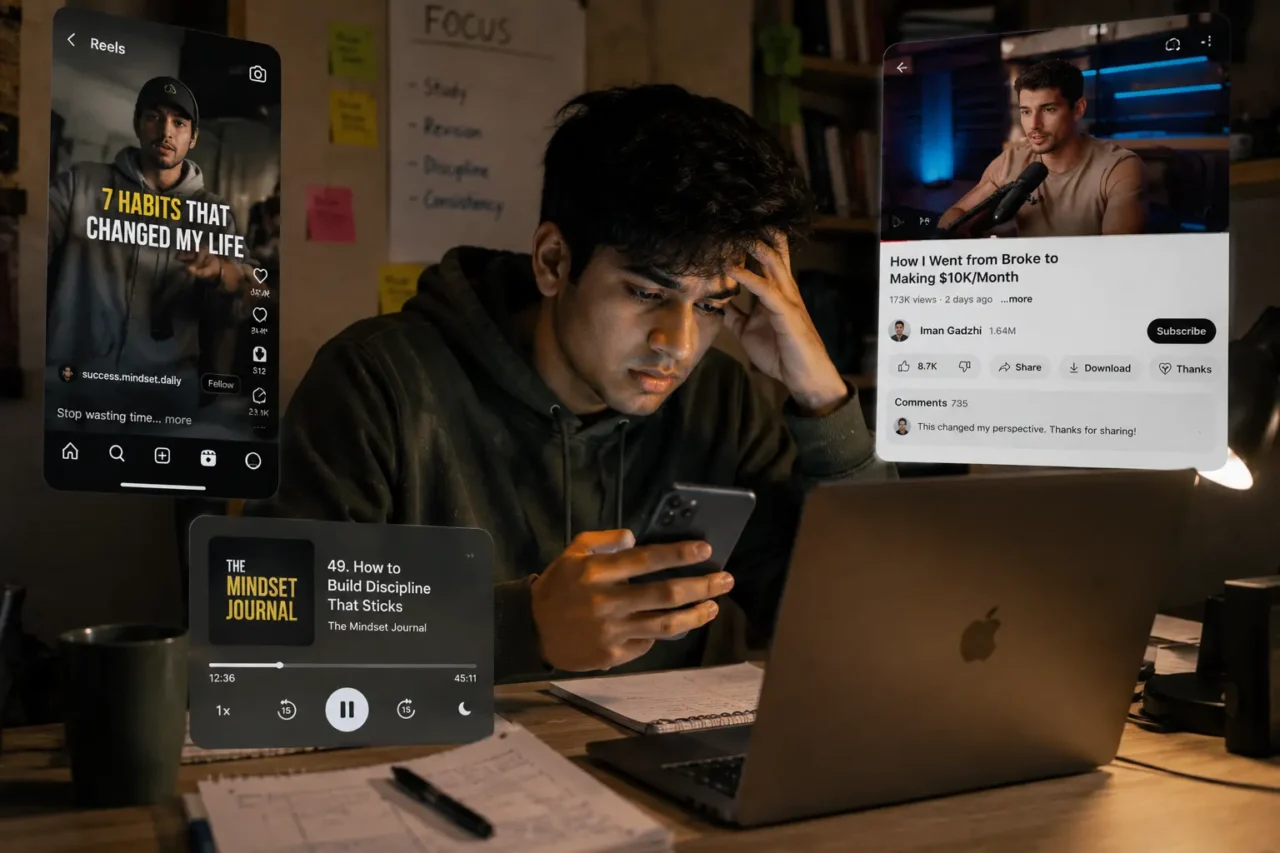
The internet gives people access to unlimited inspiration, but too much inspiration can also become overwhelming.
Most people now consume:
• reels
• podcasts
• YouTube videos
• tweets
• trends
• AI-generated content
throughout the entire day.
As a result, the brain spends more time consuming ideas than developing its own.
Creative thinking usually requires slower mental space. But modern internet culture trains people to constantly react instead of reflect.
That’s why many individuals feel mentally full but creatively empty at the same time.
Social Media Trained People To Follow Trends
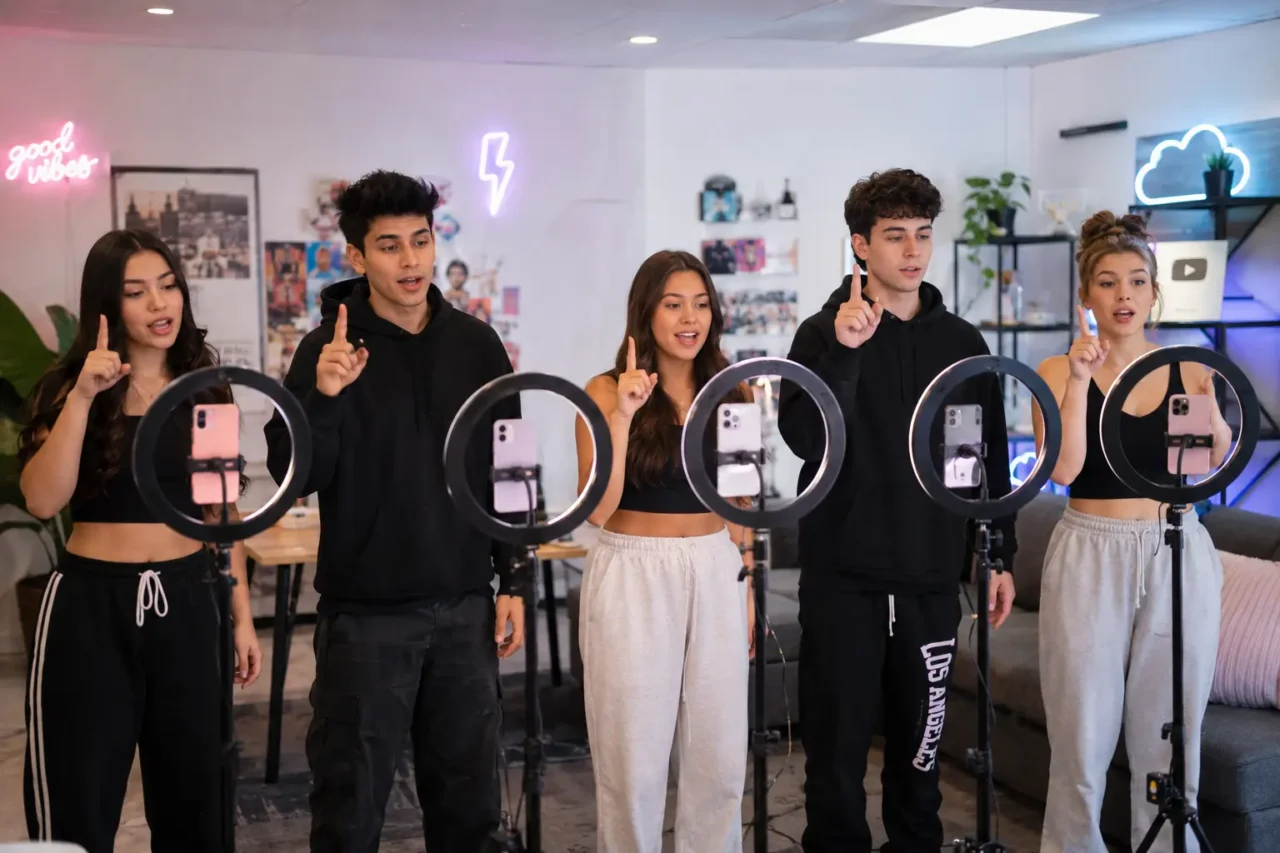
Social media platforms reward familiarity.
When a certain:
• video format
• editing style
• meme structure
• thumbnail design
• content hook
starts performing well, thousands of creators quickly repeat it.
This doesn’t always happen because people lack creativity. In many cases, creators are simply trying to survive algorithm culture.
Original ideas are risky online because trends often perform more safely.
That’s why so much content starts looking similar after a while.
However, copying trends constantly can slowly weaken independent thinking because people begin creating based on performance instead of curiosity.
Real Creativity Usually Comes From Real Experiences
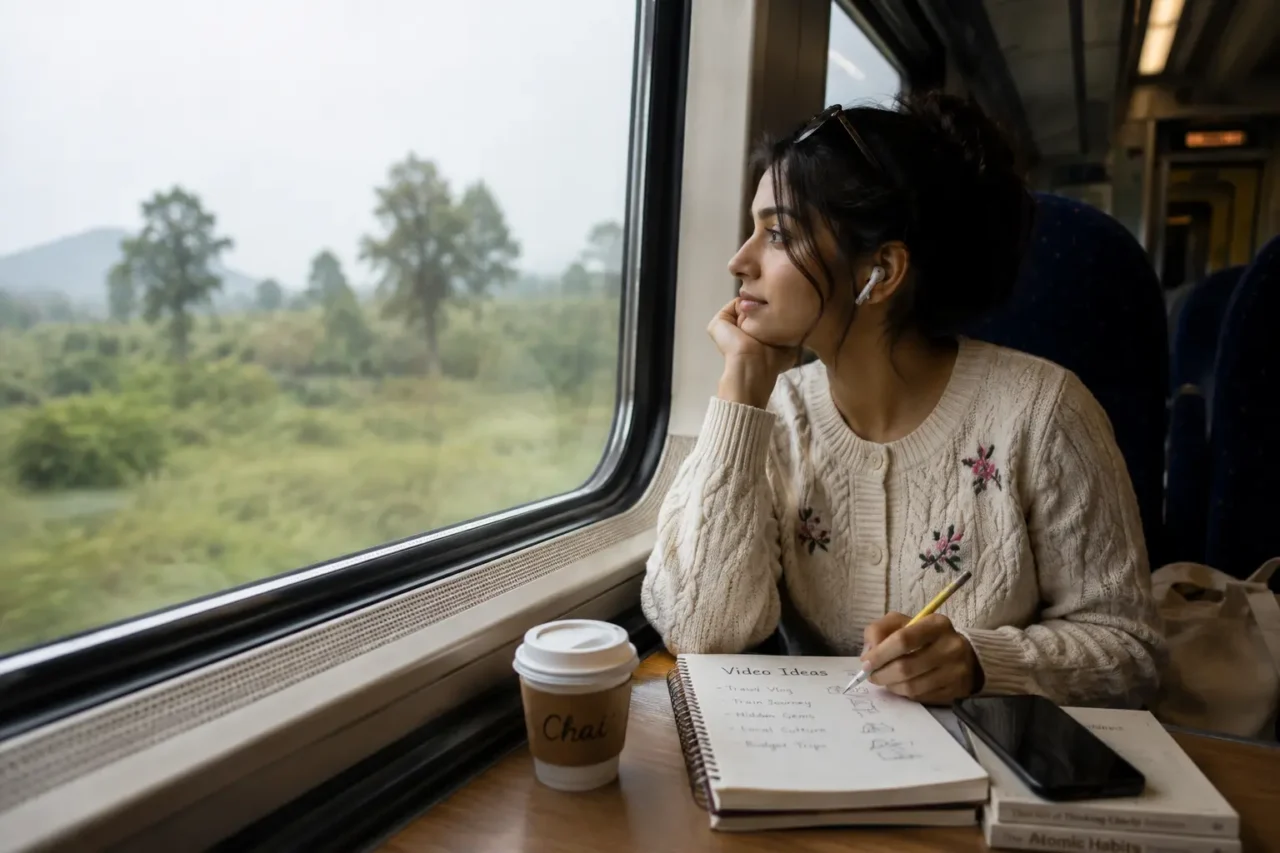
One major reason many ideas feel repetitive today is because people spend more time online than in real life.
Most unique ideas are not created by endlessly scrolling social media. They often come from:
• conversations
• travel
• observation
• boredom
• personal struggles
• random life experiences
When people experience more life outside screens, they naturally develop more original perspectives.
For example, many successful creators become interesting not because they follow trends better than everyone else, but because they bring unique personal experiences into their work.
Originality often comes from perspective, not invention.
Why Boredom Is Important For Creative Thinking

Modern people rarely experience boredom anymore.
The moment silence appears, most individuals instantly open:
• Instagram
• YouTube
• TikTok
• music
• notifications
But boredom actually plays an important role in creativity.
When the brain is unstimulated, it naturally starts:
• reflecting
• imagining
• connecting ideas
• observing patterns
This is why many people suddenly get ideas while:
• walking
• showering
• traveling
• sitting quietly
Creative thoughts often appear when the brain finally gets space to think freely.
Constant stimulation blocks that process.
How To Actually Develop Better Ideas
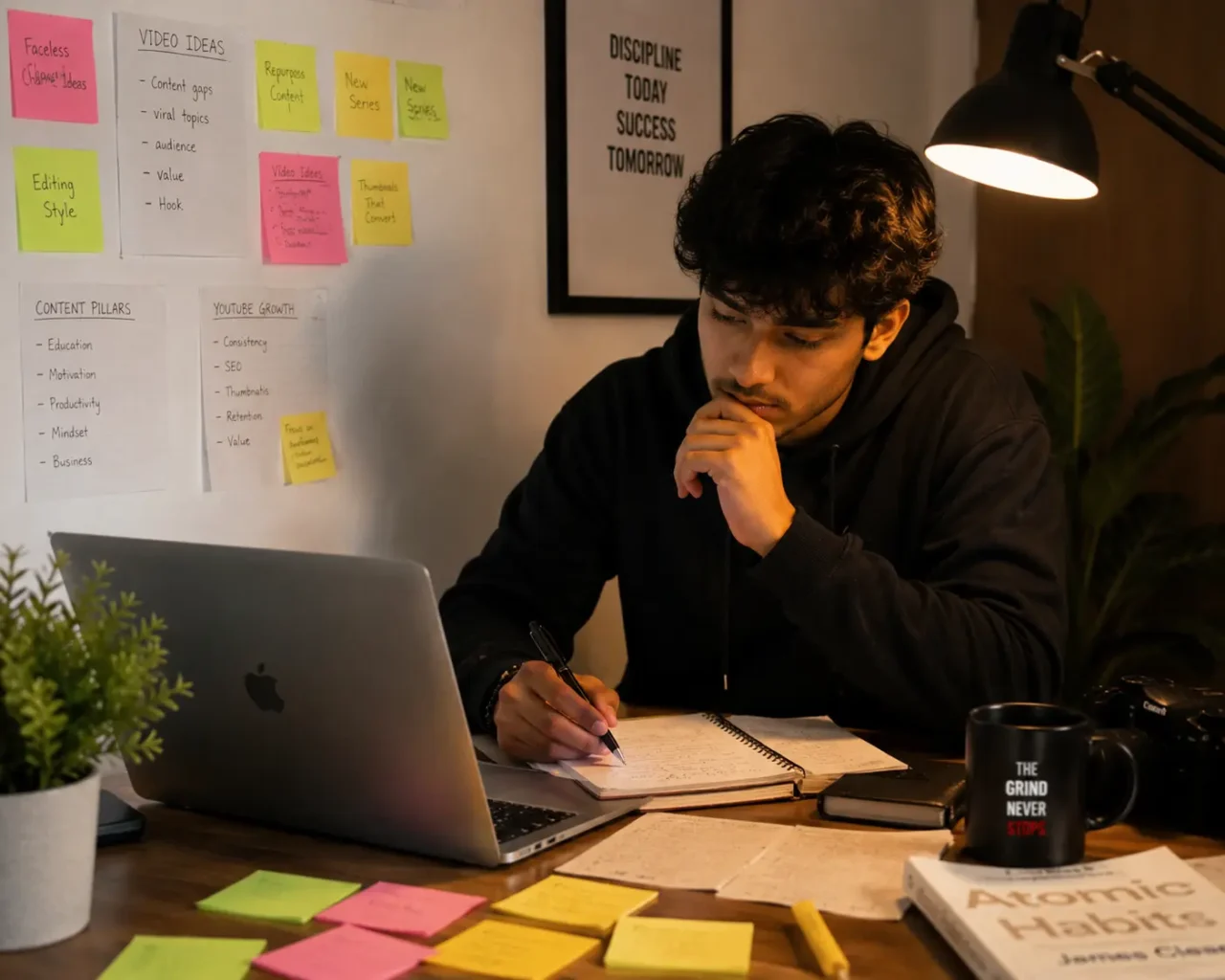
Creativity is not magic. It’s usually a combination of observation, curiosity, and pattern recognition.
People who consistently generate strong ideas often develop certain habits intentionally.
Consume Less, Observe More
Instead of endlessly consuming content, spend more time noticing:
• human behavior
• conversations
• problems people face
• internet trends
• emotional reactions
Good ideas often come from observing things most people ignore.
Combine Different Interests
Many original ideas come from mixing unrelated topics together.
For example:
• psychology + marketing
• fitness + technology
• fashion + AI
• storytelling + business
The internet often rewards creators who connect ideas in unusual ways.
Write Down Random Thoughts
Most people lose ideas because they never capture them.
Keeping notes of:
• interesting observations
• strange questions
• content ideas
• random thoughts
helps train the brain to think more creatively over time.
Spend More Time Offline
Many creators notice their best ideas appear when they temporarily disconnect from constant content consumption.
Walking, exercising, reading, or spending time alone often improves mental clarity significantly.
The brain needs quiet space to produce deeper thinking.
Originality Does Not Mean Inventing Something Completely New
One common misconception is that originality means creating something nobody has ever seen before.
In reality, most creativity comes from presenting familiar ideas through a unique perspective.
Even the most successful creators often discuss common topics like:
• money
• relationships
• productivity
• lifestyle
• technology
but their personal storytelling and perspective make the content feel fresh.
That’s why authenticity matters more than trying too hard to appear “different.”
Final Thoughts
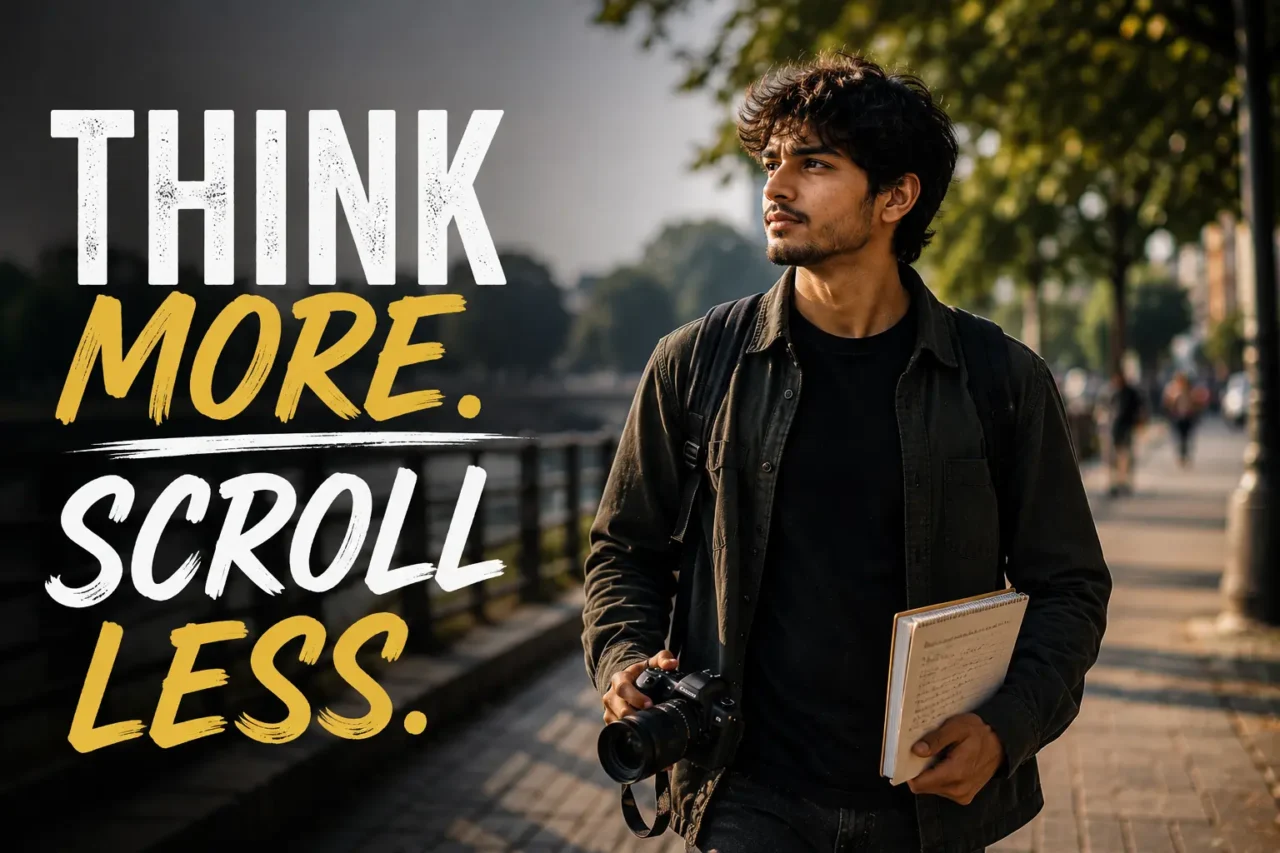
The internet did not destroy creativity, but it made independent thinking more difficult.
Algorithms reward repetition, trend culture encourages copying, and constant digital stimulation leaves very little space for reflection and imagination. As a result, many people consume far more ideas than they create themselves.
But originality is still possible.
In fact, in a world filled with repetitive content, people who think independently, observe deeply, and develop personal perspectives may become more valuable than ever before.