

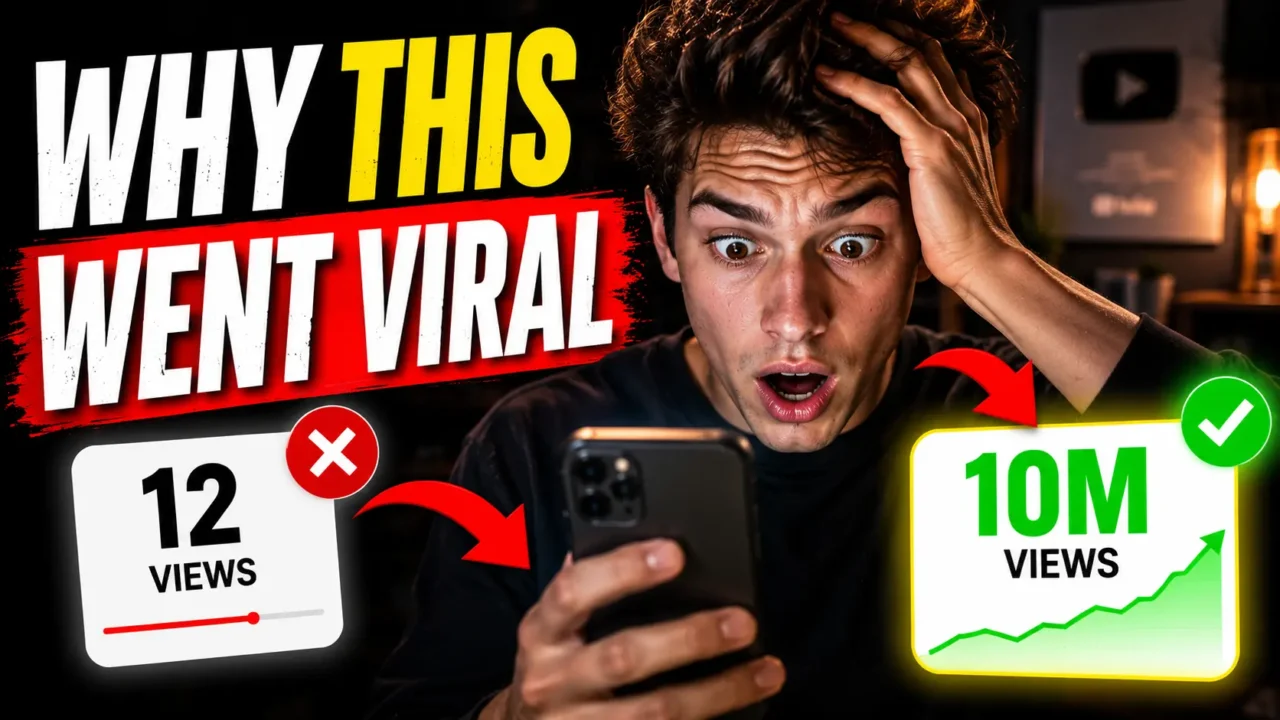
Every day, millions of reels, tweets, memes, and videos are uploaded online. Most disappear instantly, while a few suddenly explode across the internet with millions of views, shares, and comments.
But viral content is rarely random.
Behind almost every successful post, there are psychological triggers that influence human attention, emotions, and behavior. From curiosity-driven headlines to emotional storytelling and fast-paced editing, viral content is carefully aligned with how people consume information online today.
Understanding the psychology behind viral content helps explain why some posts dominate social media while others get ignored.
What Makes Content Go Viral?
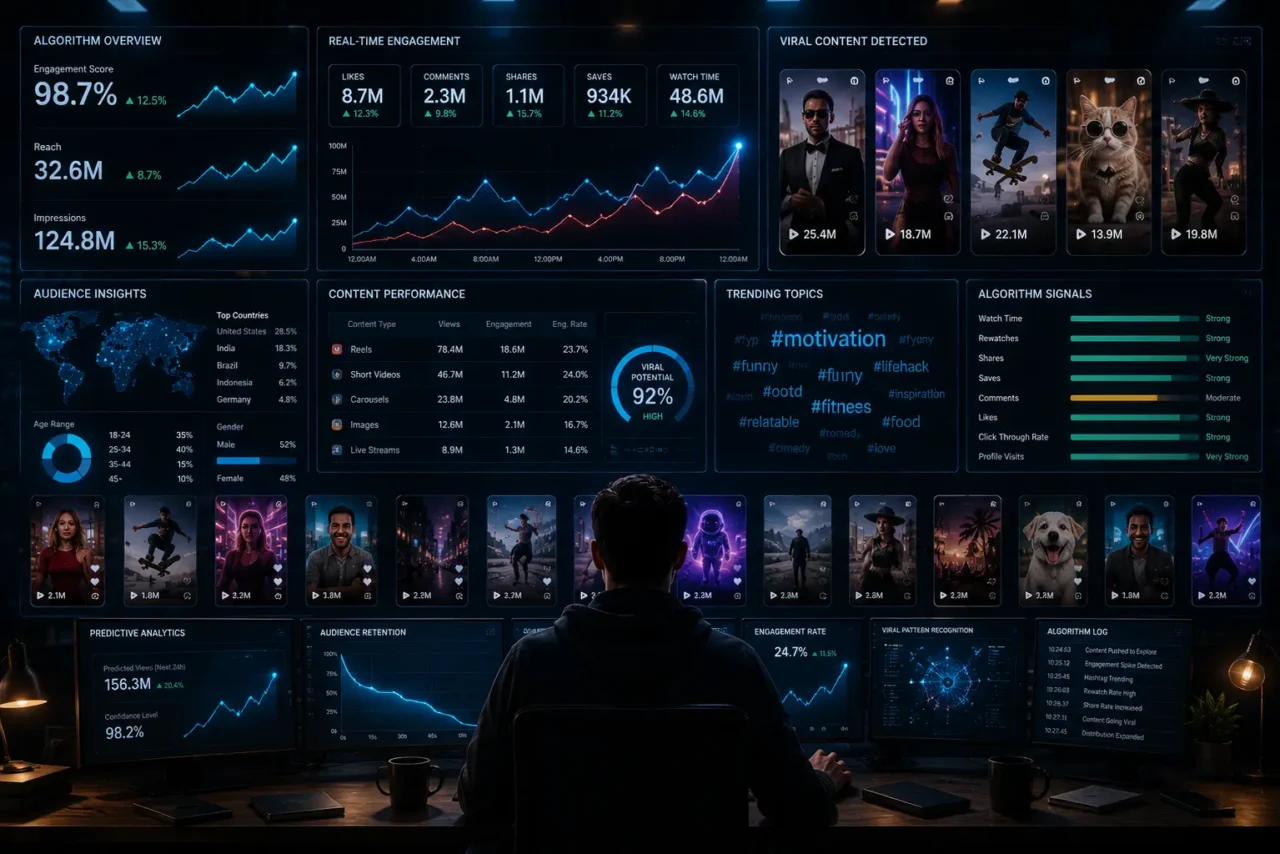
Viral content spreads quickly because people feel compelled to engage with it. Social media algorithms notice this engagement and begin pushing the content to larger audiences.
Platforms mainly track:
• watch time
• shares
• comments
• saves
• audience retention
The more people interact with a post, the more visibility it receives.
Unlike traditional media, social media rewards content that keeps users emotionally and mentally engaged for longer periods.
Emotional Reactions Drive Shares
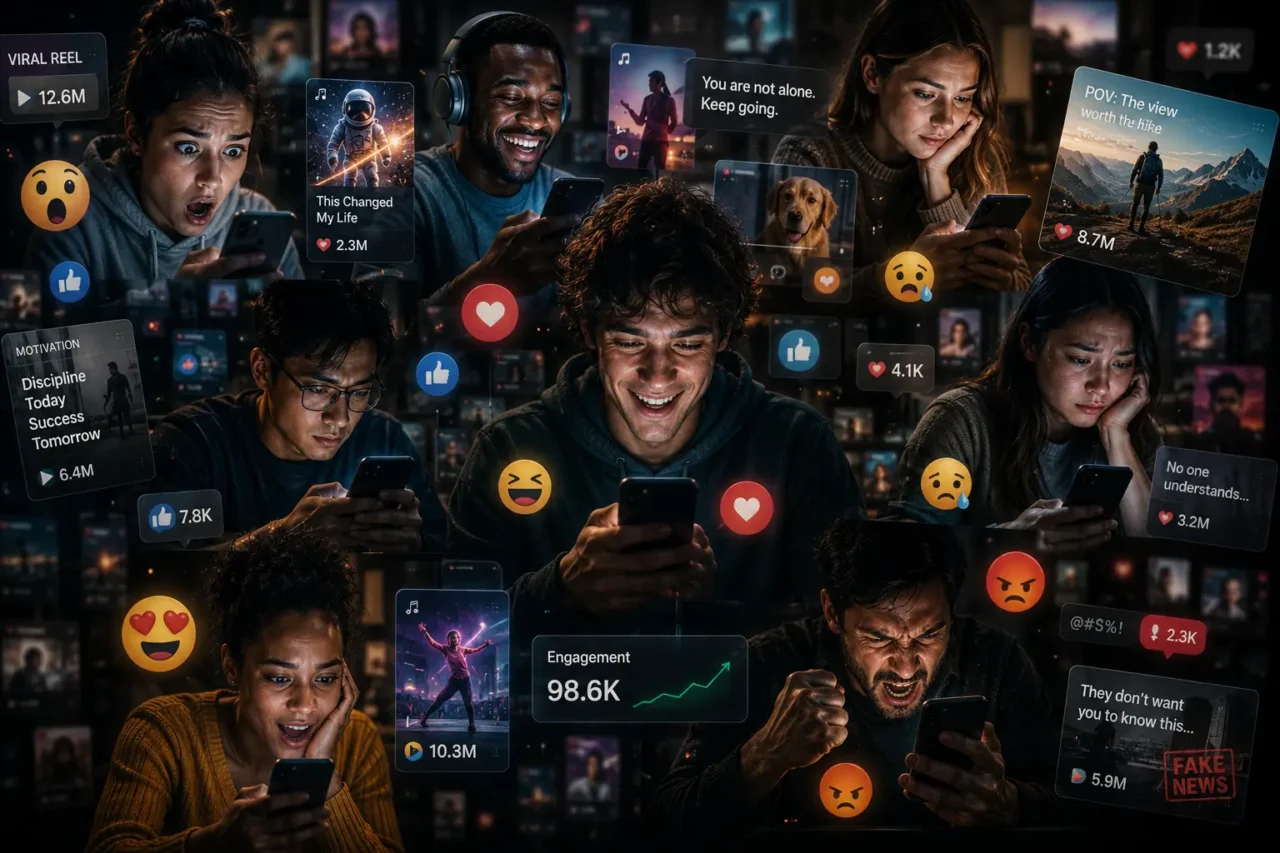
One of the biggest reasons content goes viral is emotion.
People are far more likely to share something that makes them feel strongly rather than something that is simply informative.
Relatable Content Performs Extremely Well
Posts about:
• student struggles
• relationships
• creator burnout
• social anxiety
• modern life frustrations
often spread rapidly because audiences emotionally connect with them.
When viewers think, “This is literally me,” they naturally want to share the content with others.
Negative Emotions Increase Engagement
Interestingly, controversial or frustrating content often performs even better online.
Anger and outrage generate:
• comments
• debates
• reactions
• reposts
Social media algorithms interpret this activity as high engagement, which pushes the content further.
That’s why controversial opinions and internet drama spread so quickly across platforms.
The Curiosity Gap Keeps People Watching
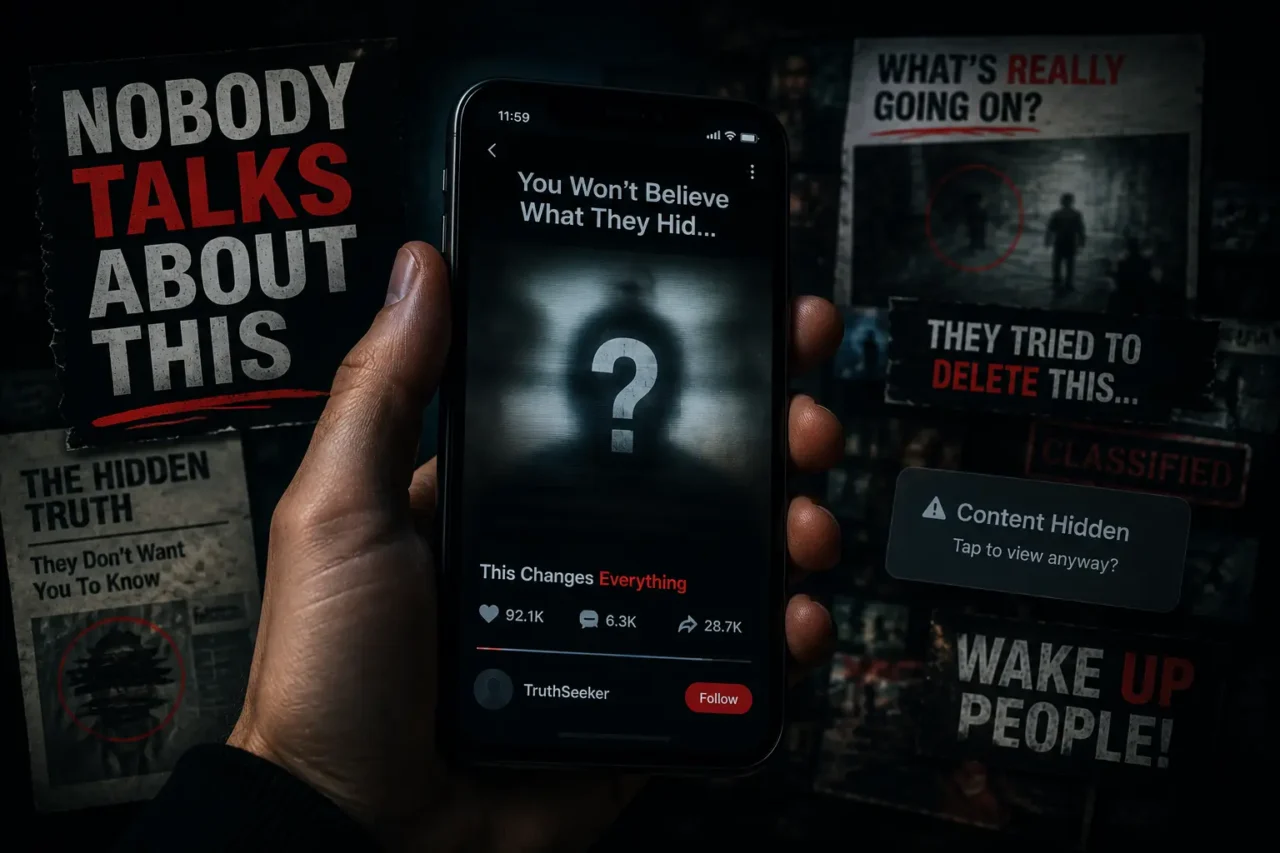
One of the most powerful psychological techniques used in viral content is the curiosity gap.
This happens when creators intentionally leave information incomplete so viewers feel the need to continue watching.
Examples include:
• “Nobody talks about this…”
• “This changed everything…”
• “You won’t believe what happened next…”
These hooks create mental tension.
Human brains naturally want answers and closure, which increases clicks, watch time, and retention.
Why Short-Form Content Dominates Social Media
Modern audiences consume content much faster than before.
Platforms like Instagram Reels, TikTok, and YouTube Shorts reward content that captures attention immediately.
Fast Pacing Increases Retention
Most viral short-form videos use:
• quick cuts
• subtitles
• fast movement
• loud hooks
• rapid storytelling
This constant stimulation keeps viewers engaged and reduces the chance of scrolling away.
Because attention spans are becoming shorter, slower content often struggles to compete online.
Dopamine and Instant Entertainment
Every swipe on social media introduces something new:
• humor
• drama
• entertainment
• surprise
This creates repeated dopamine stimulation inside the brain.
Over time, users become more attracted to fast and highly stimulating content, which explains why short-form entertainment performs so well across almost every platform.
Why Controversy Spreads Faster Online
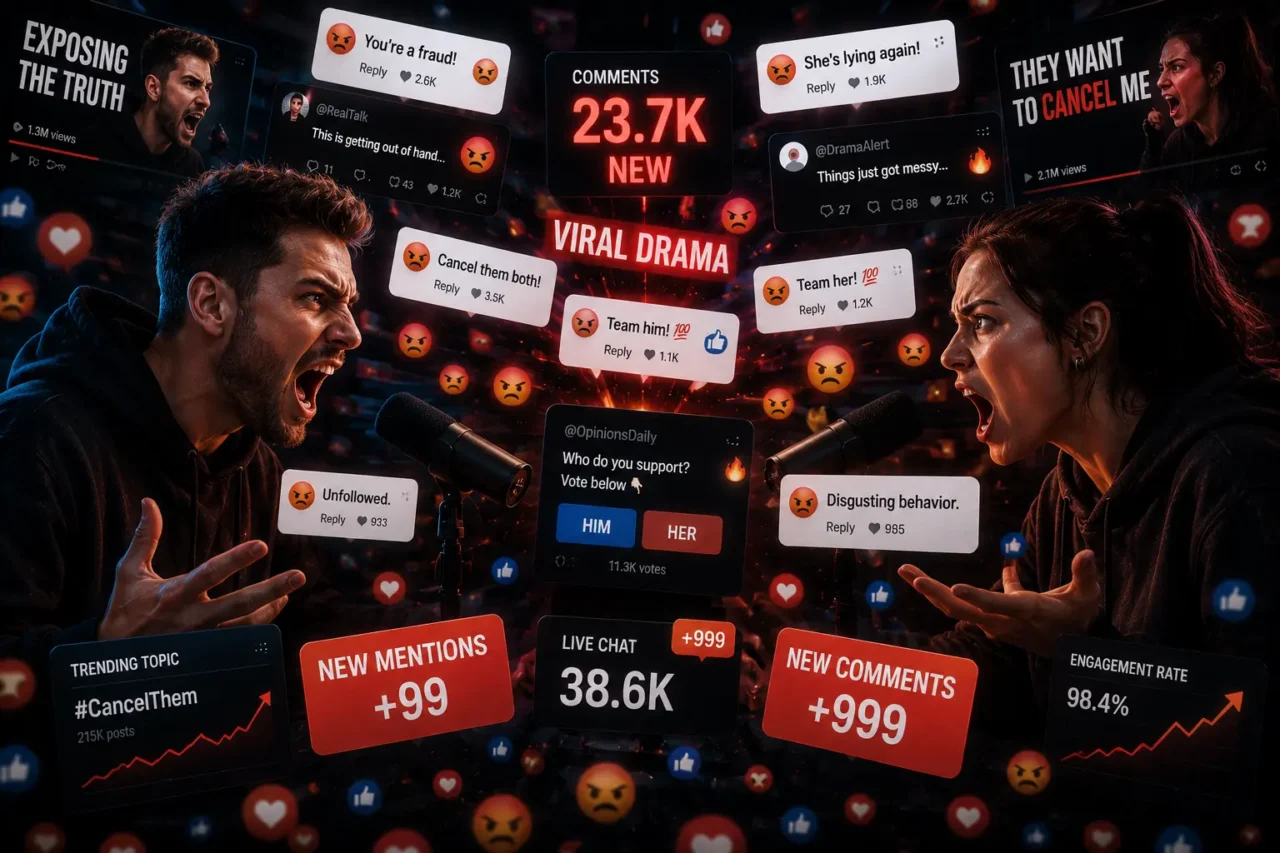
Conflict naturally attracts human attention.
People are psychologically wired to notice arguments, negativity, and social tension more quickly than neutral information.
The Rise of Rage Bait
Some creators intentionally post extreme or divisive opinions just to trigger reactions. This strategy is often called rage bait.
Even if audiences disagree with the content, they still engage with it through:
• comments
• stitches
• reposts
• reaction videos
This increases visibility dramatically because algorithms prioritize engagement, regardless of whether the reaction is positive or negative.
How Algorithms Push Viral Posts
Social media algorithms are designed to maximize user attention.
The longer users stay on a platform, the more profitable the app becomes. Because of this, algorithms promote content that keeps people watching.
Watch Time Matters More Than Followers
A small creator can still go viral if viewers:
• watch the full video
• replay the content
• interact quickly
• share it with others
This is why many creators focus heavily on strong hooks and audience retention instead of only follower count.
Today, attention is more valuable than audience size.
Final Thoughts

Viral content is not purely based on luck.
Most successful posts combine emotional triggers, curiosity, fast pacing, relatability, and strong audience engagement. Social media algorithms simply amplify content that already captures human attention effectively.
As platforms continue evolving, one thing remains constant:
the internet rewards content that understands human psychology better than anything else.